


How to make prints of your artwork.
Best Framing scans, prints, finishes and ships artists’ prints from one building in Costa Mesa, Orange County. Here is the whole path from an original to a print you can sell, step by step.
How do you make prints of your artwork?
Capture the original as a high-resolution file, by scanning it or photographing it under controlled light; color-correct the file and proof it against the original; print on an archival paper or canvas; decide whether the edition is open or limited; then finish the prints and ship them. At Best Framing in Costa Mesa every one of those steps happens in one building on Placentia Avenue, so the original never has to be mailed anywhere.
You can do parts of it yourself. A print lab earns its place on the steps that are hard at home: a faithful capture, color that matches, archival materials, and sizes larger than a desktop printer.
- Capture
- Scan the original, or photograph it if it is too large or already under glass.
- Correct and proof
- Match the file to the original and print a proof before the edition.
- Choose the paper
- An archival paper or canvas that suits the work.
- Set the edition
- Open, or limited to a stated number, signed and numbered.
- Finish
- Stretched on canvas, or framed.
- Sell and ship
- From your own table, or straight from ours to your customer.
Should you scan or photograph your painting?
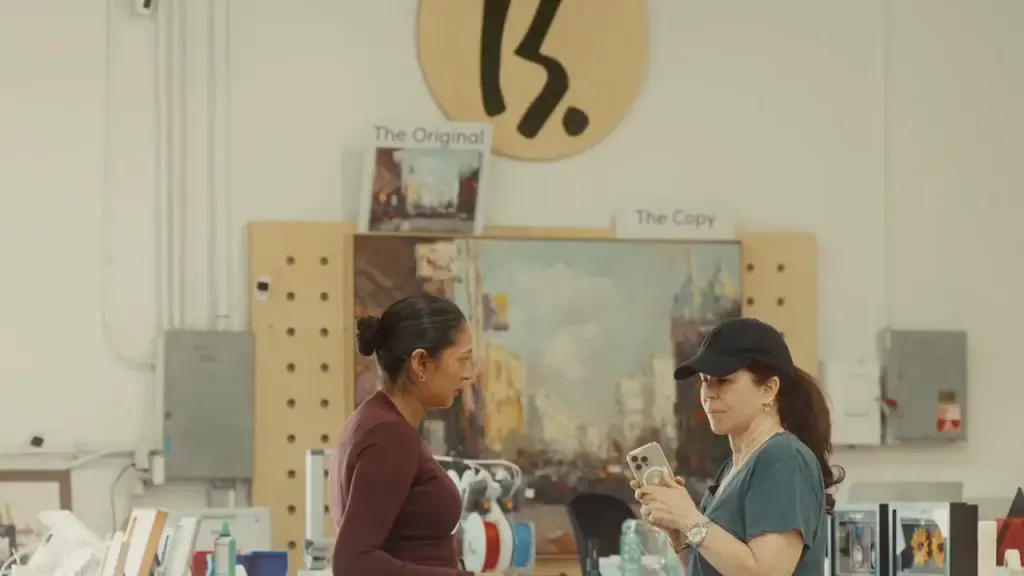
Scan it if it fits the scanner. Our flatbed reaches up to 600 dpi, and art and photographs go on the glass and come back as a high-resolution file.
Photograph it only if it is already framed under glass, or has a surface that would fight a scanner. Here, our large-format flatbed takes paintings a traditional scanner cannot fit.
As for resolution, a common rule is about 300 dpi at the largest size you plan to print. A 600 dpi scan leaves room to print larger than the original.
How do you make a print match the original?
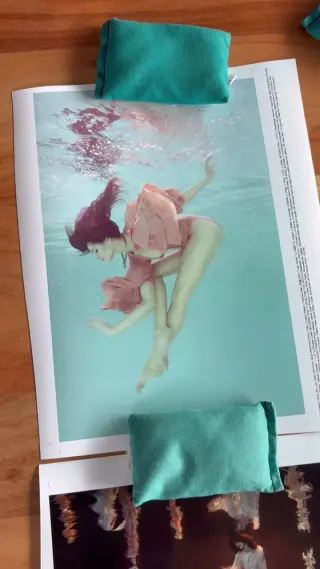
Correct the color of the file against the original, then print a proof and compare the two in good light before the edition is printed. Small changes are cheap at the proof and expensive after it.
Here every file is prepared, proofed and color-matched at our RIP station before anything is printed, and proof prints are weighted flat in the shop before the edition runs. File preparation and prepress assistance are part of what the lab does.
What paper is best for art prints?
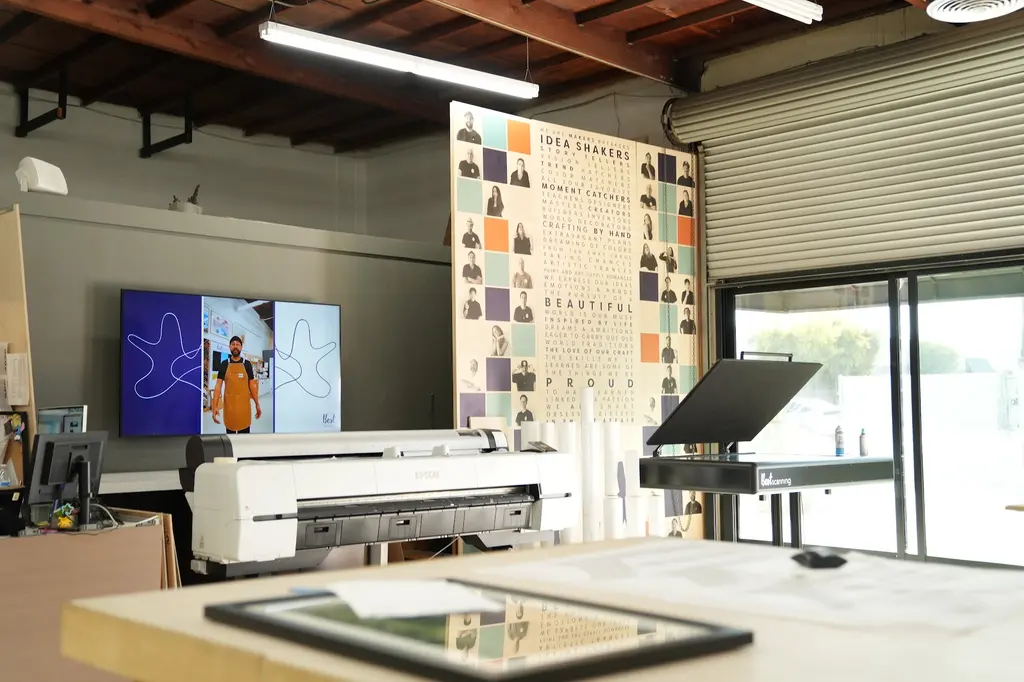
The one that suits the original. As a rule of thumb, a textured cold-press watercolor paper suits watercolors and drawings, a smooth matte cotton paper keeps flat color and fine detail, a luster paper gives photographs a soft sheen, and canvas suits paintings meant to hang without glass.
- Cold-press watercolor
- A textured fine-art sheet.
- Matte cotton
- Acid-free and cotton-based, with no sheen.
- Luster cotton
- Acid-free and cotton-based, with a soft sheen.
- Canvas
- Stretched in house, hung as it is or in a float frame.
We print giclées on all four, and all of our giclées use archival pigment inks on carefully selected papers and canvas. Bring the original or the file, and we look at the papers, the canvas and the sizes together at the counter.
Open or limited edition: how many prints should you make?
There is no rule for the number. An open edition keeps printing as long as people buy; a limited edition stops at a number you state up front. Smaller editions are scarcer, and whatever number you choose, number each print and never reprint once it is closed.
An open edition
No fixed number. Printed as orders come in, which suits prints sold online and print-on-demand.
A limited edition
A stated number, each print signed and numbered, and no reprints once the edition is closed. The number is your promise to the people who buy them.
We print archival fine-art editions, limited editions included, and a Pro Account keeps your business details on file so each edition can be printed, stretched or framed.
How do you finish, sell and ship your prints?
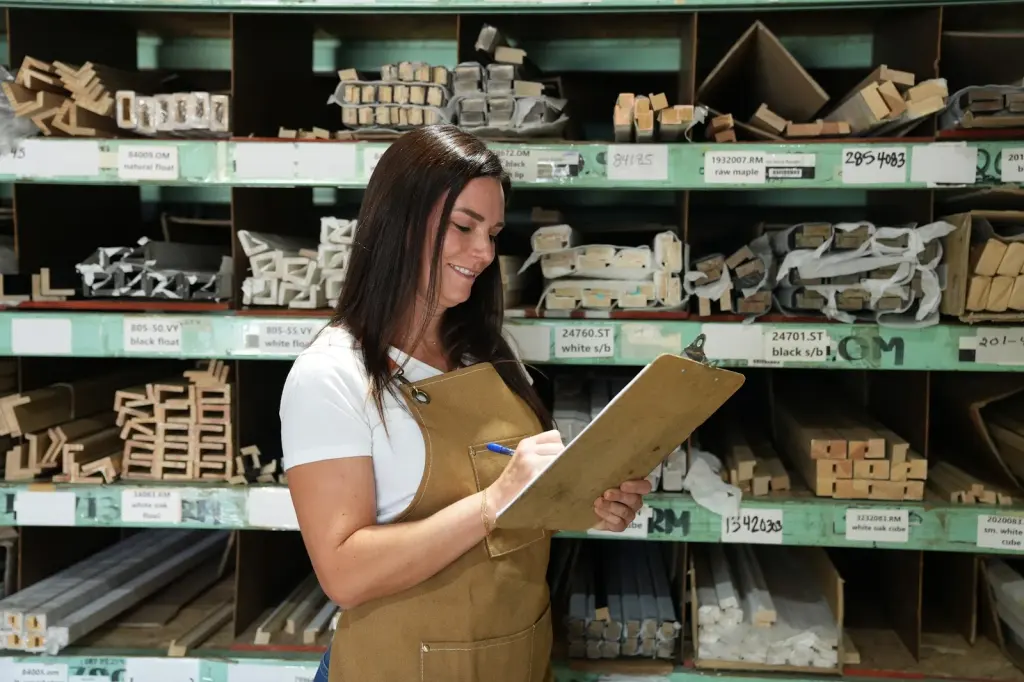
Decide how the buyer receives it: a canvas ready to hang, or a framed piece. We stretch canvas giclées in house and frame them a few steps away.
If you sell online, the store can send us the order and we print, frame, package and ship it directly from our store to your customer. Anything large or going far gets a custom wood crate on our freight accounts.
Best Framing has been the greatest find as a professional art photographer. Their work is always impeccable, they have fast turnaround, and I can get my work printed there as well. And I have my Shopify store connected so they can fulfill orders directly too.
The questions people ask at the counter, answered.
From what can be framed and choosing the right glass to mounting jerseys, printing artwork and protecting the pieces that matter, we answer the questions our customers ask us every day.
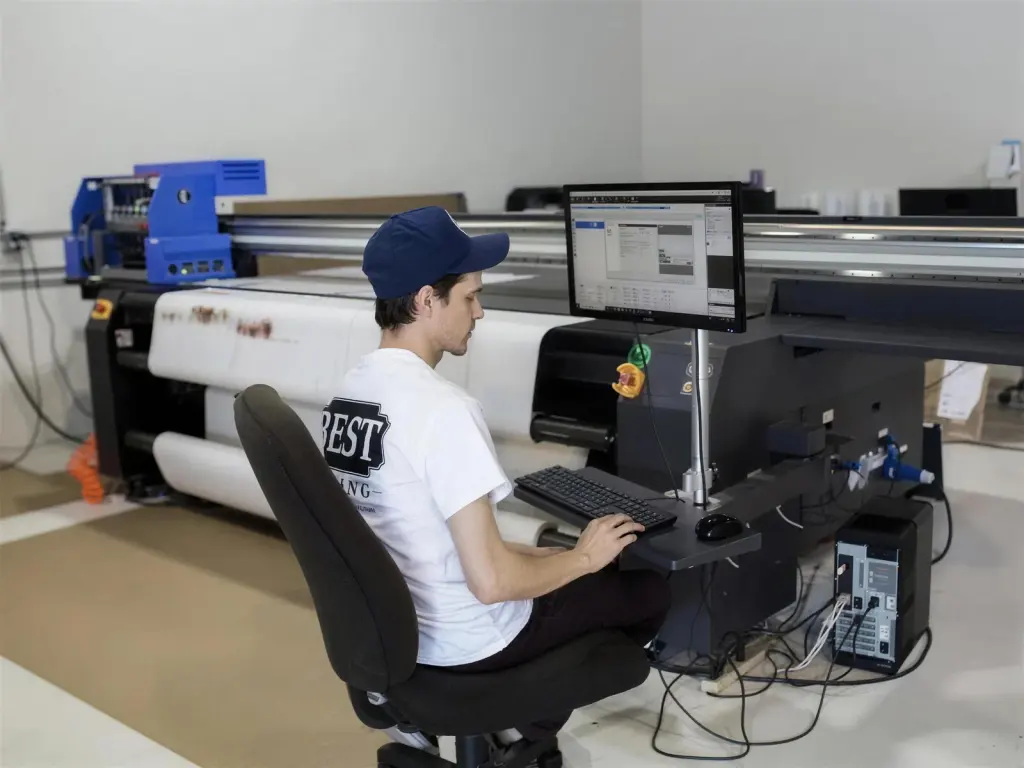 Scanning an original you would rather not put in the mailLarge-format scanning up to 600 dpi, checked by our digital artists: a one-of-a-kind original reproduced in Costa Mesa without leaving the building.Read Article
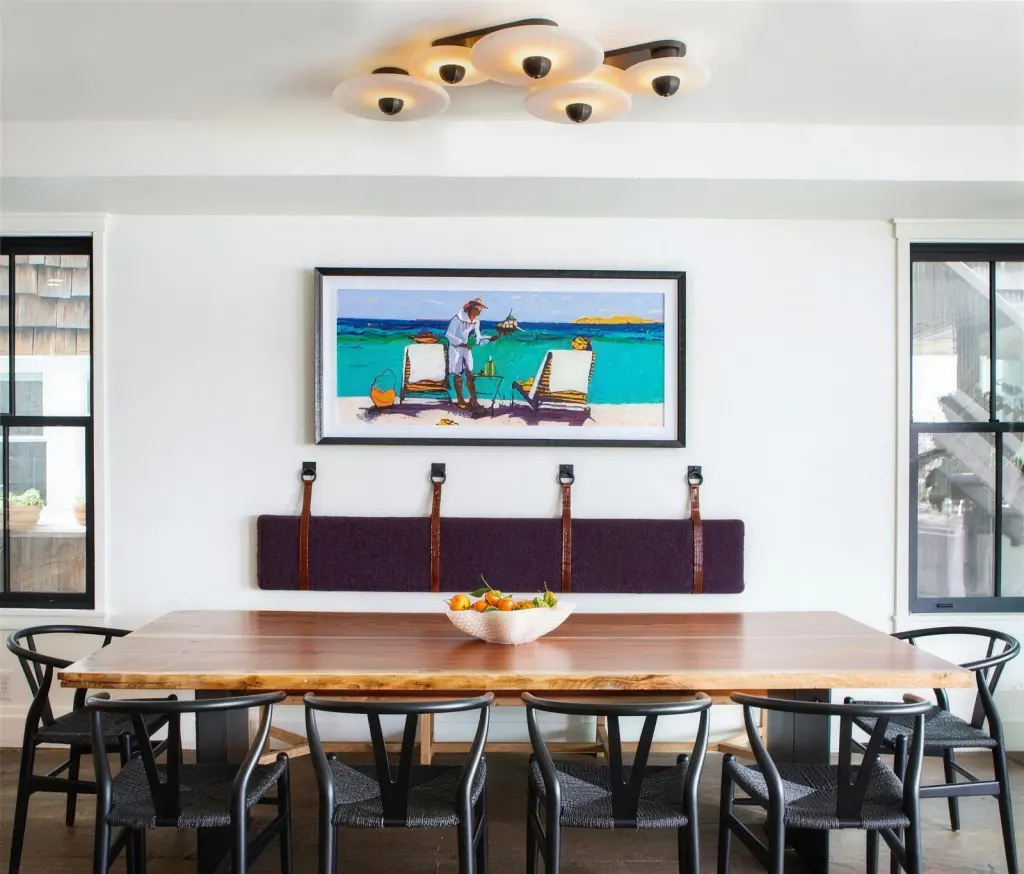
 Print On DemandIn 2020 Best Framing opened its Print on Demand gallery in Costa Mesa: curated work by local artists, printed at just the right size for your wall.Read Article
 Canvas, printed and stretched in the same buildingHow a canvas print is made and framed in one building: archival giclée, stretched in house, then hung as it is or set in a float frame. From Costa Mesa.Read Article
 Museum glass vs regular glass, and what the glass over your art is doingMuseum-quality and UV-protective glazing vs regular glass: what each does for your art, plus acid-free mats and conservation framing. From Costa Mesa.Read Article
Making prints, asked at the counter.
How do I get prints of my artwork made?
Have the original scanned or photographed, the file color-matched and proofed, then printed on archival paper or canvas. Best Framing does every step in one building in Costa Mesa: bring the original or the file to the counter, no appointment required.
Should I scan or photograph my painting?
Scan it if you can; our large-format flatbed reaches up to 600 dpi and takes paintings a traditional scanner cannot fit. Photograph it only if it is already under glass or has a surface that would fight a scanner.
What resolution should artwork be scanned at?
Enough to print at about 300 dpi at the largest size you plan to sell. Our flatbed scans at up to 600 dpi, which leaves room to print larger than the original.
What paper is best for art prints?
It depends on the work: cold-press watercolor paper has texture, matte cotton paper keeps flat color and detail, luster has a soft sheen, and canvas hangs without glass. We print giclées on all four, all archival, with pigment inks.
How many prints should be in a limited edition?
There is no rule. The number is the artist’s promise to collectors: state it up front, sign and number each print, and do not reprint once the edition is closed.
How much does it cost to make prints of my art?
It is quoted in person and per piece, by the size, the paper or canvas, how many you print and how they are finished. If you are just starting out, sit down with us first and we will lay out the options.
Still wondering? Come in and ask. No appointment required.
Print and frame what you love. Visit the showroom.
No appointment required.
- Call
- (949) 791-8780
- Hours
- Mon-Fri 10am-5pm
Sat 9am-1pm

Bring us the thing you love.
Walk in with it and talk it through with a designer. No appointment required, though you are welcome to book one.
1671 Placentia AvenueCosta Mesa, CA 92627
- Call(949) 791-8780
- HoursMon-Fri 10am-5pm · Sat 9am-1pm · Sun closed
- Talk to a designer nowStart a Video CallSomeone is on the floor Mon-Fri 10am-5pm and Sat 9am-1pm, Costa Mesa time
- Book an appointmentPick a time with a designerAppointments are optional. Walk-ins are welcome.