

Conservation framing, for the pieces you cannot replace.
Best Framing does fine-art and conservation framing in Costa Mesa, Orange County: acid-free materials throughout, a build that can be taken apart again without damage, and museum-quality or UV-protective glazing chosen with you for the piece.
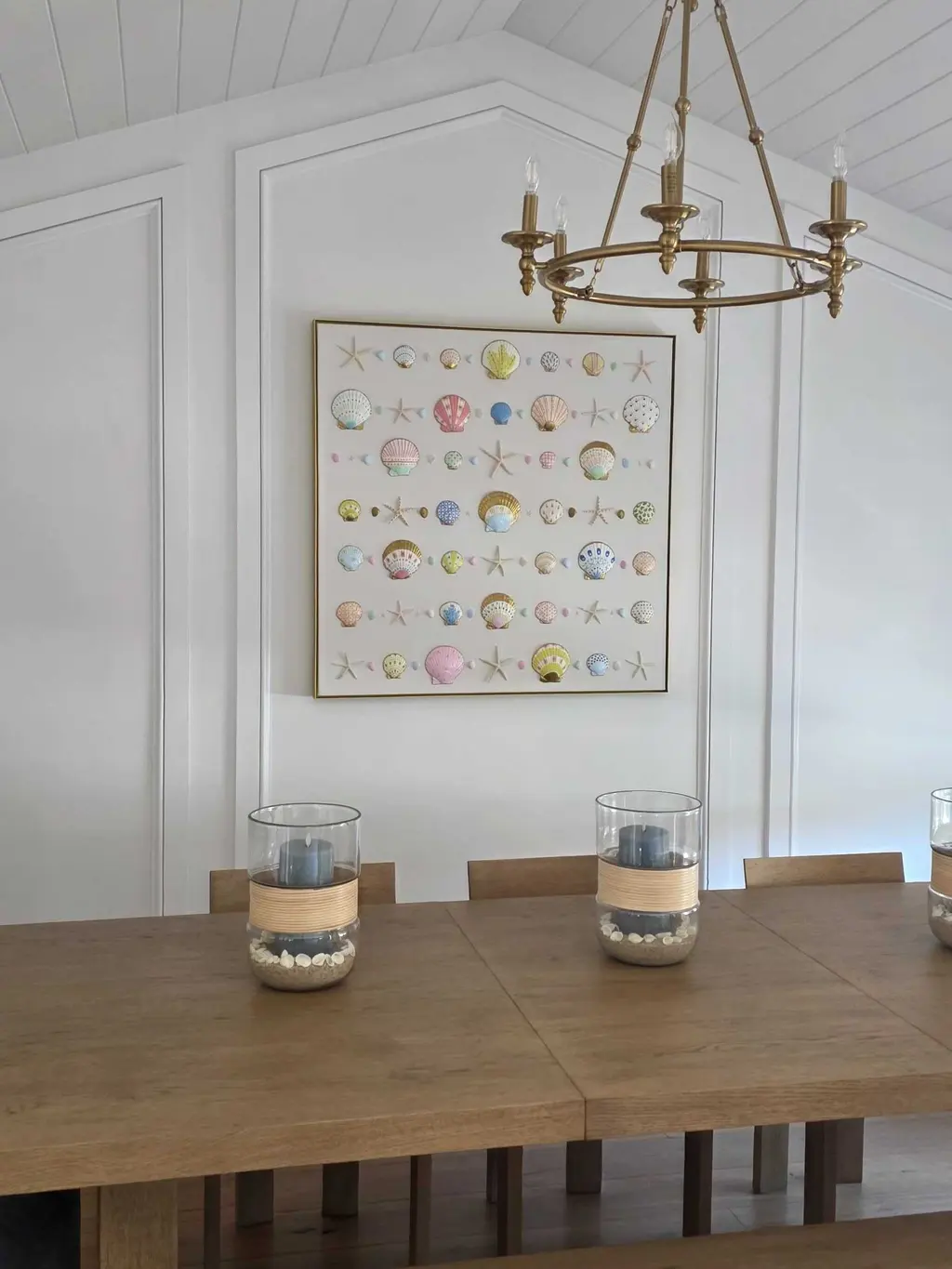
What is conservation framing?
Framing built to protect the piece as well as show it. Every frame has two jobs: to make the piece look like it belongs on your wall, and to keep it from aging badly. Conservation framing takes the second job as seriously as the first, and it is done almost entirely by the parts you do not look at: the mat, the mounting and the glazing.
Acid-free throughout.
Our store is completely acid-free, mats included. That is not a line on a price list; it is the material the work is built from.
A build that can be undone.
The piece can be taken out of the frame again without damage, so nothing done to it today is permanent.
Glazing chosen for the piece.
Museum-quality or UV-protective glazing, chosen with you at the counter, because daylight fades pigment.
Why does acid-free matter?
Because acid does damage you cannot undo. Acid in a mat or a backing board is what burns a brown line into the edge of a print over a few years, and it is not reversible once it has happened. That is why our store is completely acid-free, mats included.
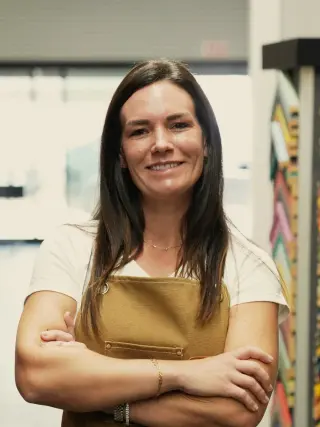
Mats and backing.
Every mat and backing board we cut is acid-free, so nothing touching the piece burns a line into it. An old piece in acidic mats can be reframed in acid-free ones.
Mounting that lets go.
For a conservation build, the piece is mounted so it can come out again without damage. Dry mounting, which flattens paper by bonding it to a board, is a different choice for a different piece, and we explain the difference at the counter.
From

“They have the best quality frames I have ever seen […] they really take care of your art pieces.”
Ellen Einkauf Isais · April 2016
Which glass should go over a piece you cannot replace?
Museum-quality or UV-protective glazing, chosen with you for the piece. Daylight fades pigment, not quickly and not evenly, which is why it is easy to miss until you take a piece down and see the border it was covering. The glass is one of the choices that most affects how the piece holds up on the wall.
UV-protective glazing.
Chosen with you for the piece. It is the difference between a room that is good for a photograph and a room that is quietly costing you one.
Museum-quality glazing.
For a limited edition, a watercolor or an original photograph, ask to see it against the piece at the counter before you decide.
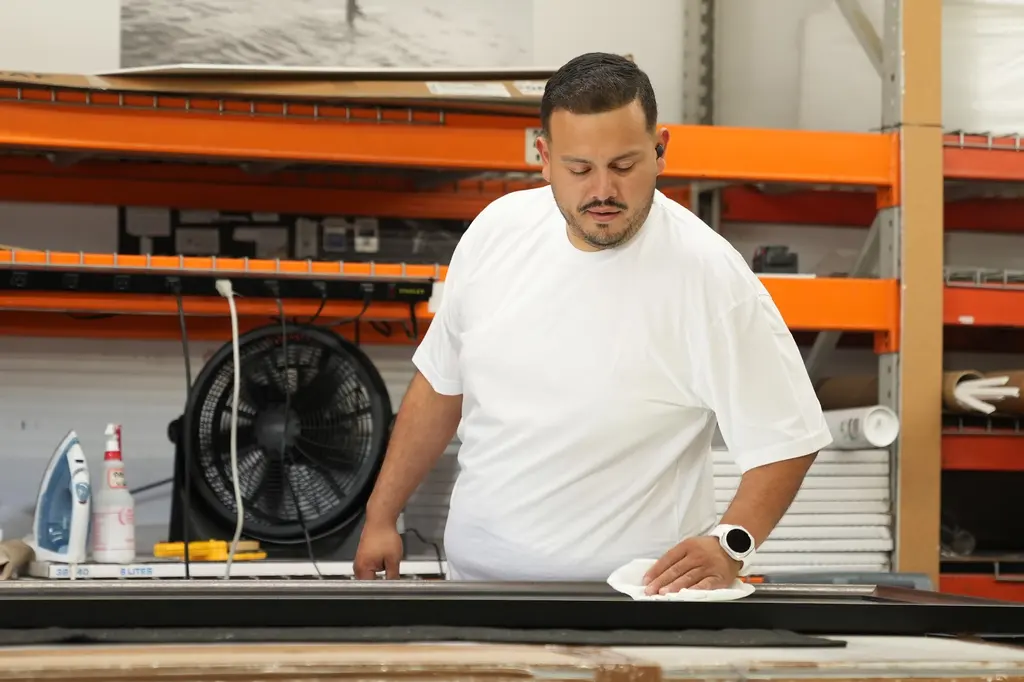
Cleaned, then closed up.
The glazing is cleaned on the bench before the frame is closed up and the backing paper goes on.
When is conservation framing worth it?
When the piece is not replaceable: a limited edition, a watercolor, an original photograph, a signed lithograph, something handed down. It is not the right call for everything. A poster for a games room does not need the same build as a signed lithograph, and we will say so.
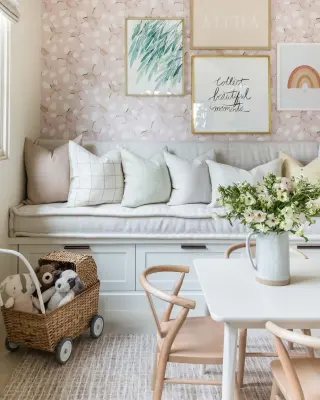
Watercolors in a reading nook
Watercolor leaves, a calligraphy print and a rainbow, in natural wood and gilt frames above a window bench. Works on paper like these are what conservation framing is for.
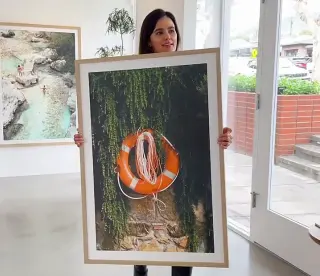
A photograph, matted in white
A large photograph of an orange life ring in light oak with a white mat, carried through a gallery. An original photograph is exactly the kind of piece conservation framing is for.
Can the original stay safe while a copy hangs?
Yes. If the original is fragile or one of a kind, our print lab can scan it at up to 600 dpi on its large-format flatbed, and we frame the reproduction. The original goes back on the wall or into its frame untouched.
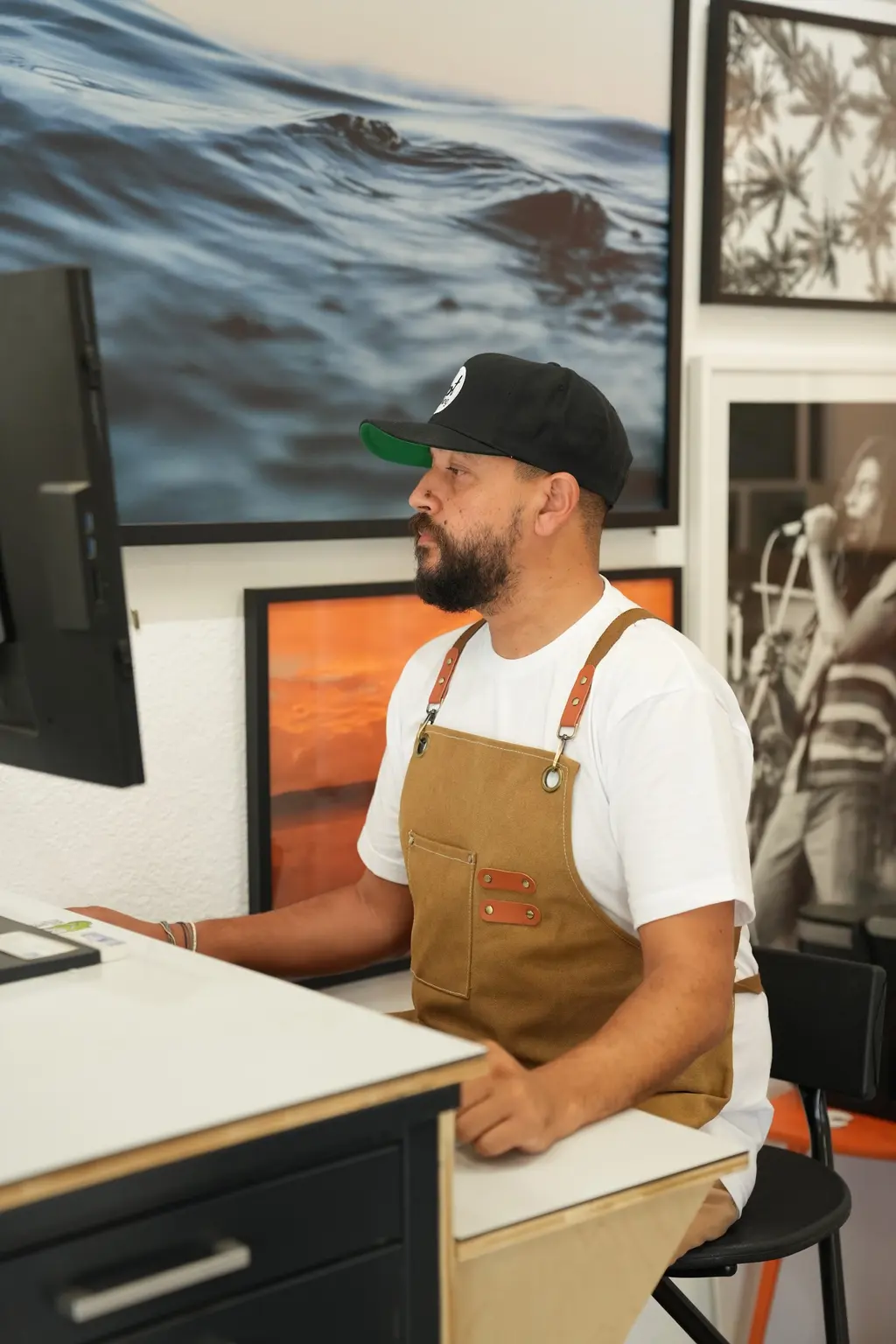
Never in the mail.
Scanning and printing happen on the same production floor as the framing, so an original can be reproduced and framed without leaving the building.
Archival copies.
The file is prepared and color-matched here, and can become an archival giclée, or simply a file you keep.
What does conservation framing cost?
It is quoted in person once we have seen the piece. Everything here is specially ordered and cut to size, so the materials are chosen once; that is the reason to ask about conservation before the frame is built rather than after.
- Size
- The size of the piece and the width of the mats around it.
- Glazing
- UV-protective or museum-quality glazing, chosen with you for the piece.
- Mats and backing
- Acid-free, as everything in the store is, cut to the piece on our mat cutter.
- Mounting
- A build that can be taken apart again without damage.
- Moulding
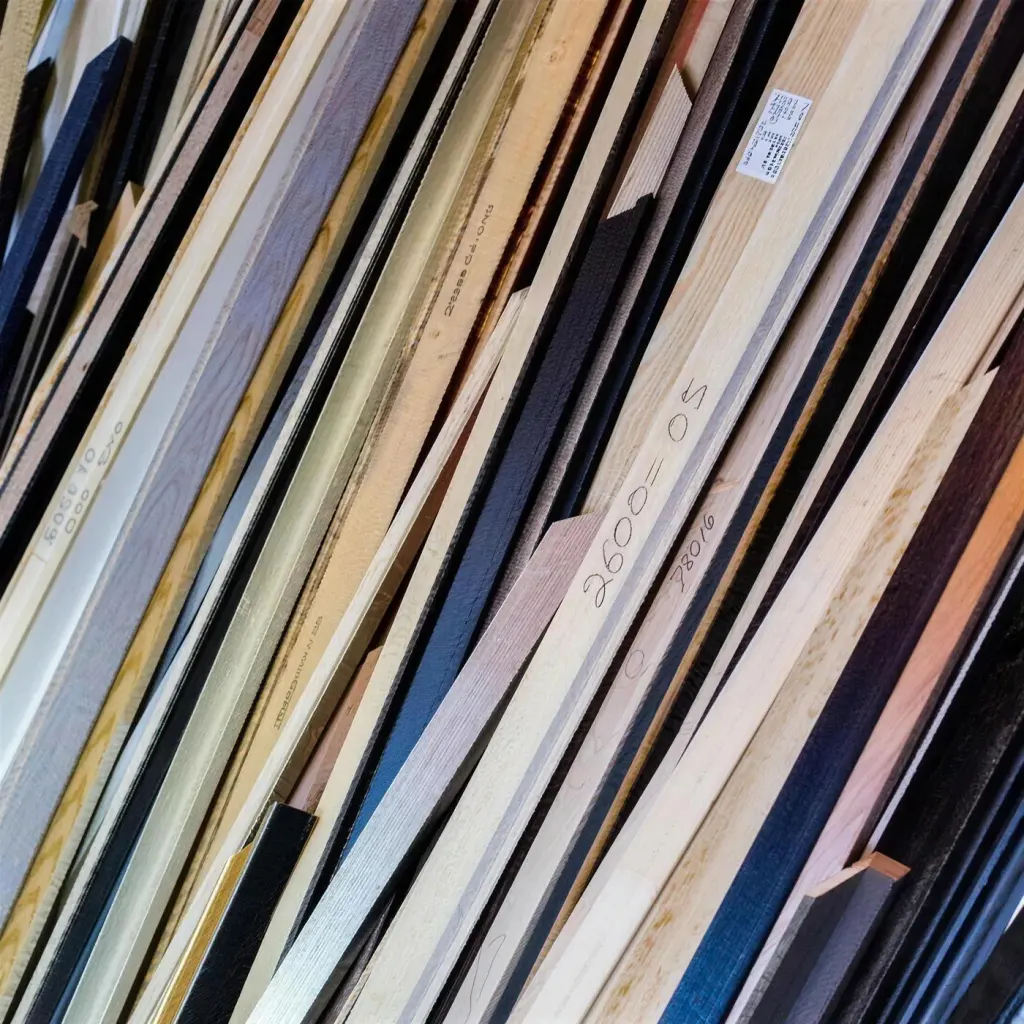
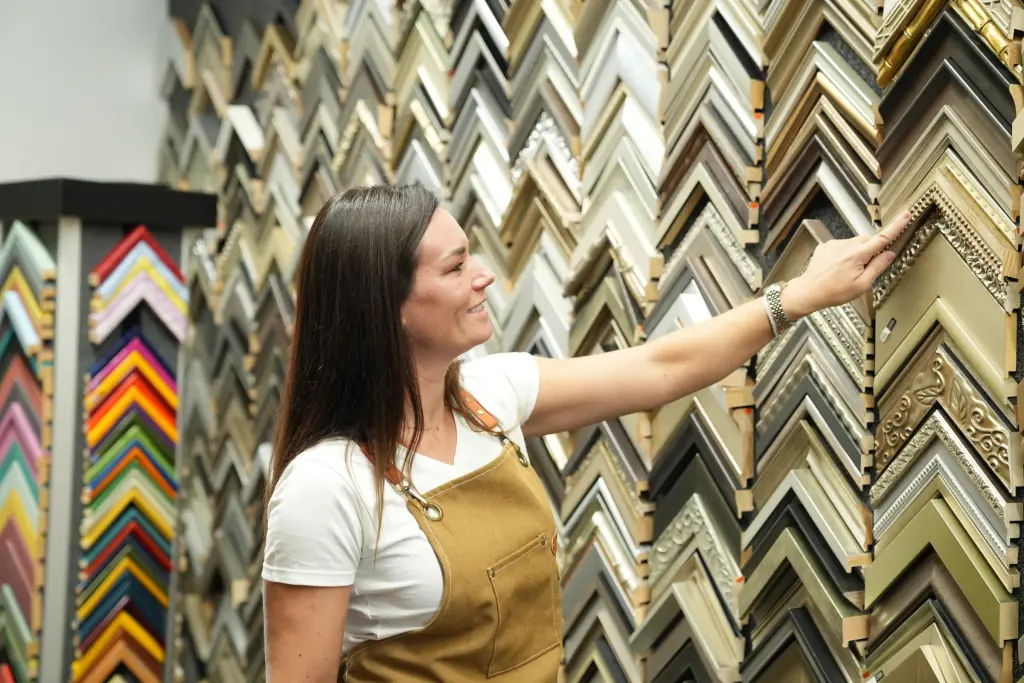
- Any profile from the hundreds of corner samples on the moulding wall, or one milled in our wood shop.
- Turnaround
- Quoted at the counter when the piece is designed with you.
The questions people ask at the counter, answered.
From what can be framed and choosing the right glass to mounting jerseys, printing artwork and protecting the pieces that matter, we answer the questions our customers ask us every day.
 Museum glass vs regular glass, and what the glass over your art is doingMuseum-quality and UV-protective glazing vs regular glass: what each does for your art, plus acid-free mats and conservation framing. From Costa Mesa.Read Article
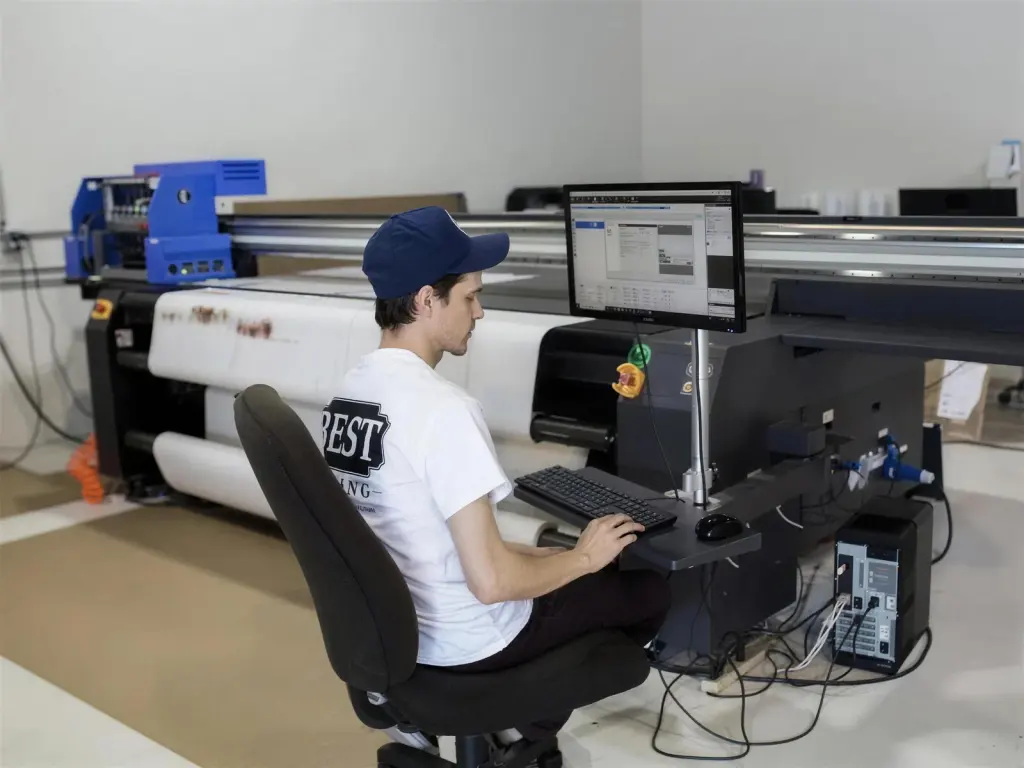 Scanning an original you would rather not put in the mailLarge-format scanning up to 600 dpi, checked by our digital artists: a one-of-a-kind original reproduced in Costa Mesa without leaving the building.Read Article
 What can you actually frame?Photos, posters, diplomas, jerseys, kimonos, oversized art and mirrors: what a custom frame shop in Costa Mesa can take on, and what each one needs.Read Article
 Canvas, printed and stretched in the same buildingHow a canvas print is made and framed in one building: archival giclée, stretched in house, then hung as it is or set in a float frame. From Costa Mesa.Read Article
Conservation framing, asked and answered.
What is conservation framing?
Framing built to protect the piece as well as show it: acid-free materials throughout, a build that can be taken apart again without damage, and museum-quality or UV-protective glazing chosen for the piece.
Is museum glass worth it?
For a piece you cannot replace, it is worth asking about. The glazing is one of the biggest choices in how a piece holds up, so museum-quality and UV-protective glazing are chosen with you at the counter. A poster for a games room does not need the same build as a signed lithograph, and we will say so.
Will my art fade behind regular glass?
Daylight fades pigment, not quickly and not evenly, which is why fading is easy to miss until a piece comes down and shows the border it was covering. UV-protective glazing is chosen to slow that down.
Do you use acid-free mats?
Yes. Our store is completely acid-free, mats included. Acid in a mat or a backing board burns a brown line into the edge of a print over a few years, and it is not reversible once it has happened.
Can a framing job be undone later?
A conservation build can. It is made so the piece can be taken apart again without damage, unlike a dry mount, which flattens paper by bonding it to a board.
Can you scan an original before framing it?
Yes. Our print lab scans originals at up to 600 dpi on its large-format flatbed, so the reproduction can be framed while the original stays safe.
Still wondering? Come in and ask. No appointment required.
Print and frame what you love. Visit the showroom.
No appointment required.
- Call
- (949) 791-8780
- Hours
- Mon-Fri 10am-5pm
Sat 9am-1pm

Bring us the thing you love.
Walk in with it and talk it through with a designer. No appointment required, though you are welcome to book one.
1671 Placentia AvenueCosta Mesa, CA 92627
- Call(949) 791-8780
- HoursMon-Fri 10am-5pm · Sat 9am-1pm · Sun closed
- Talk to a designer nowStart a Video CallSomeone is on the floor Mon-Fri 10am-5pm and Sat 9am-1pm, Costa Mesa time
- Book an appointmentPick a time with a designerAppointments are optional. Walk-ins are welcome.