
Framing old family photos, and a copy for everyone
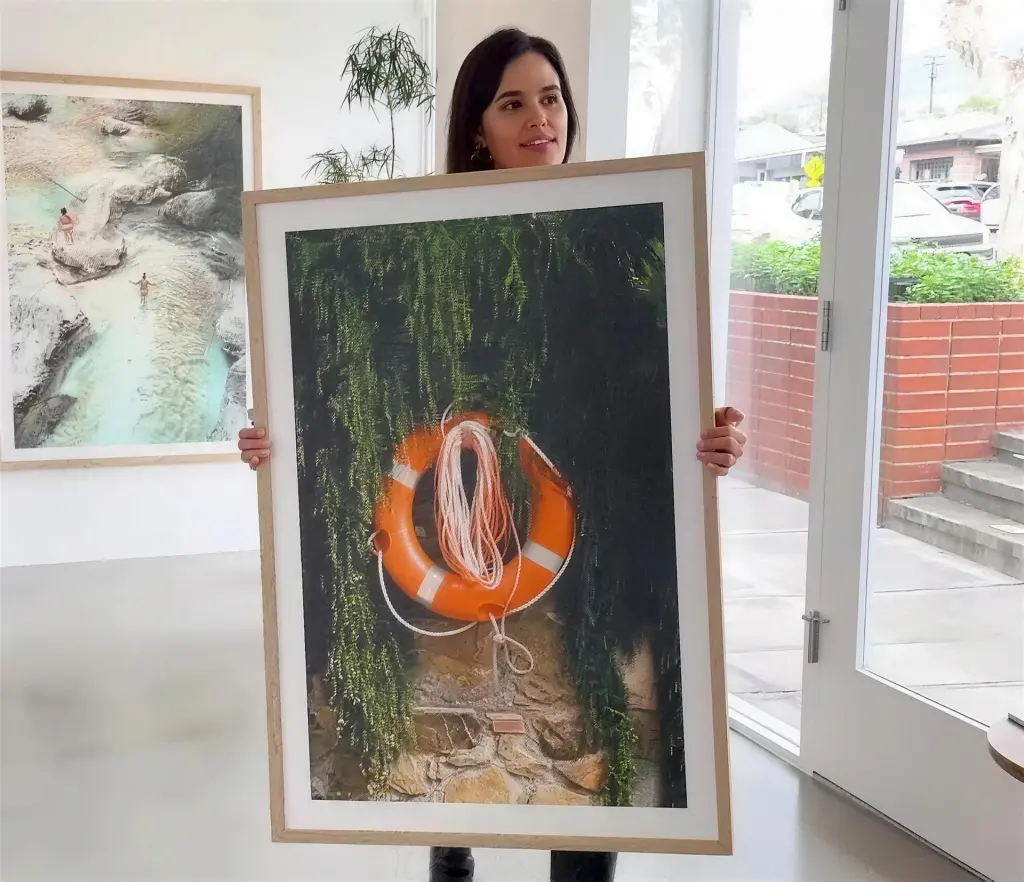
Frame the old photograph once, in acid-free mats and backing, mounted so it can come out again without damage, behind UV-protective or museum-quality glazing chosen for it. If more than one person wants it, scan it first: we scan at up to 600 dpi, print the copies in our own lab and frame them on the same floor.
Should you frame the original or a copy?
Either, or both. If the original is fragile or one of a kind, our print lab scans it and we frame the reproduction, while the original goes back on the wall or into its frame untouched. If one person keeps the original, it can be framed conservation-grade and the copies go to everyone else. That is a common version of this job: the original goes back on the wall in its own frame, and the copy is what gets sent to the rest of the family. Bring the photograph in and we look at it with you before anything is decided.
How is an old photograph scanned?
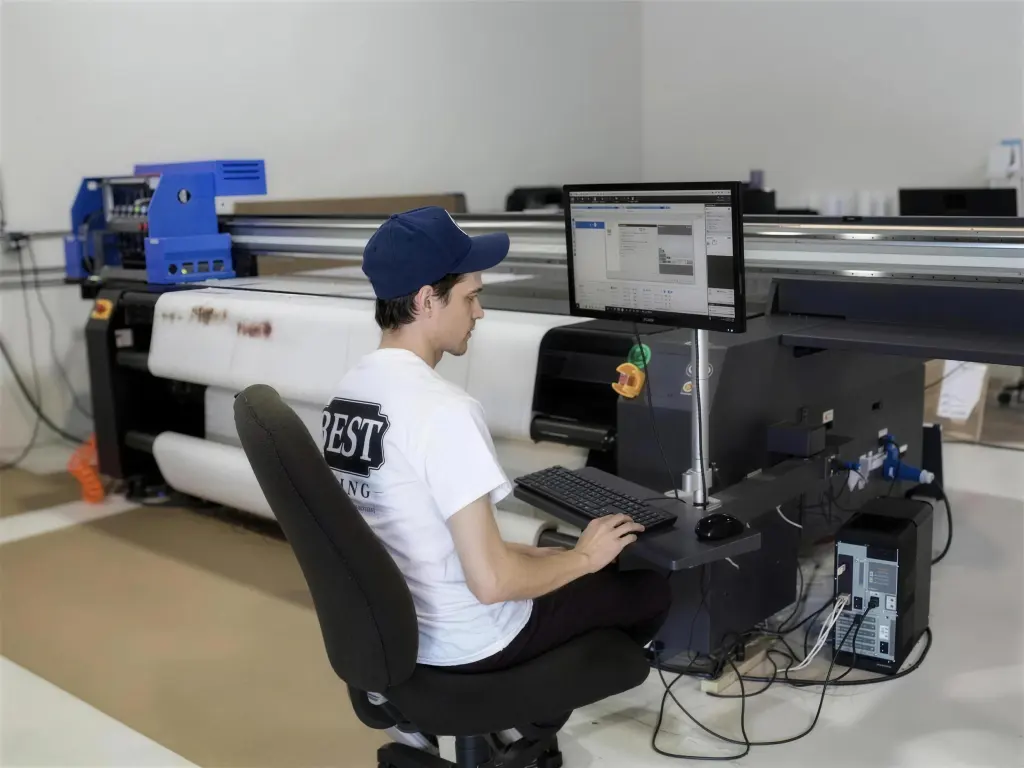
On the glass of our large-format flatbed, at up to 600 dpi, in our own print lab in Costa Mesa. The scanner glass is wiped clean before the original goes on it, and the photograph comes back as a high-resolution file. Our digital artists then go over every scan on screen, making sure the color and the composition are true to the original before anything is printed. The original is reproduced here and never mailed to an outside lab, and you keep the file as well. Walk in with it; no appointment is required. There is more on art scanning.
How do you make a copy for everyone?
Print each copy from that one scan, here, on a paper chosen for the photograph. Professional photo printing runs through the same file preparation, color management and color matching as every print in our lab, and the file is prepared, proofed and color-matched before anything is printed. From the scan, a copy can be an archival giclée on matte or luster cotton paper, a canvas, or a print on wood or aluminum. For an old photograph the paper matters: “I was having copies of an old photograph made and they recommended the correct type of paper to make it look as authentic as possible,” Laura Y. of Costa Mesa wrote on Yelp in January 2025. The copies can be framed on the same floor, and the files, and any prints made from them, can be sent anywhere. See printing and scanning.
How should the original be framed?
Conservation-grade: acid-free throughout, a mount that can be undone, and glazing chosen for the photograph. An original photograph, something handed down, is exactly what conservation framing is for. Our store is completely acid-free, mats included, because acid in a mat or a backing board burns a brown line into the edge of a print over a few years, and it is not reversible once it has happened. The photograph is mounted so it can be taken out of the frame again without damage. Museum-quality or UV-protective glazing is chosen with you at the counter, because daylight fades pigment slowly and unevenly, which is why fading is easy to miss until a piece comes down and shows the border it was covering.
What do you do with old pictures already in frames?
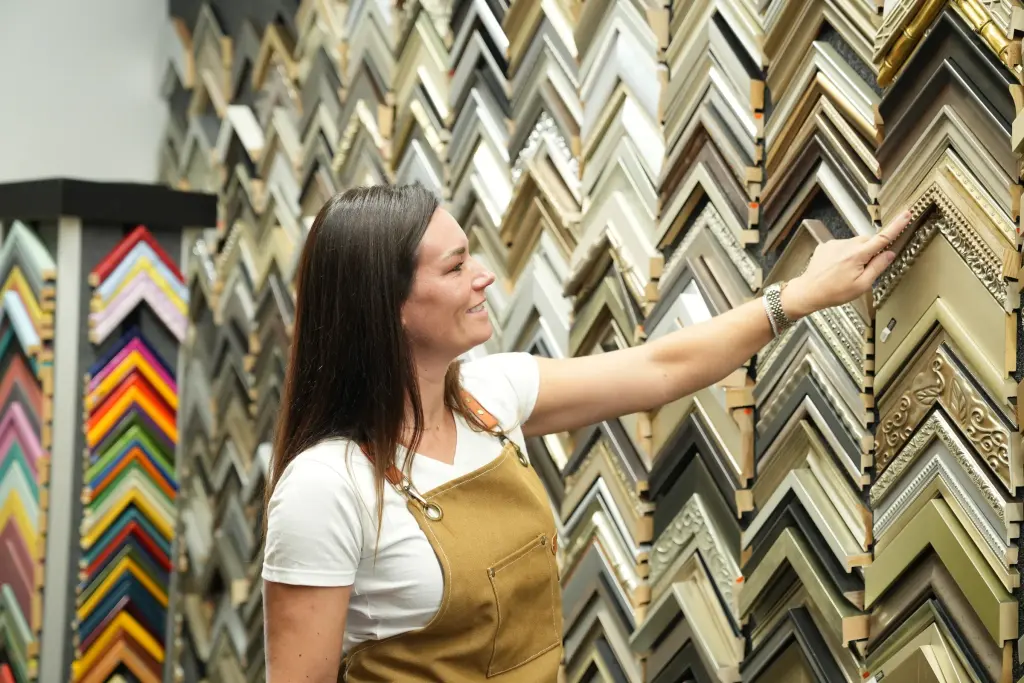
Look behind the glass before deciding. If the mats or the backing are not acid-free, a reframe replaces them with acid-free materials and a frame chosen for the photograph. If the old frame is part of the heirloom, it can stay, with new glazing, mats and backing around the picture. And if the copies should match a frame the family already has, we can custom mill a moulding profile in our own wood shop and have it hand finished to match.
Bring the photograph in, frame and all, to 1671 Placentia Avenue, Costa Mesa, Monday to Friday 10am to 5pm or Saturday 9am to 1pm; no appointment is needed. Scanning and framing are quoted in person once we have seen it, and if the copies are a gift, tell us the date. Or call (949) 791-8780, or send the quote form.